
Mastering Furniture Aesthetics: A Comprehensive Guide to Materials, Light, and Space
Creating a truly captivating living space goes far beyond mere decoration. It involves a deep understanding of how different elements interact to evoke emotion, enhance functionality, and express personal style. This guide synthesizes crucial aspects of interior design, focusing on the tangible qualities of furniture materials, the ethereal influence of light and shadow, the innovative solutions for compact living, and the profound impact of color on our well-being, particularly in the bedroom. By mastering these interconnected principles, you can transform any house into a home that is both aesthetically pleasing and deeply resonant.
Maximizing Functionality in Small Spaces with Multi-Functional Furniture
In the realm of interior design, particularly for urban dwellers and those with smaller homes, the concept of maximizing space without sacrificing style and comfort is paramount. Small space designers have long championed the strategic use of multi-functional furniture as the cornerstone of efficient and aesthetically pleasing living environments. This approach recognizes that in limited square footage, every piece of furniture must serve a purpose, ideally more than one. The goal is to unlock hidden potential within the existing layout, allowing a single item to adapt to various needs throughout the day or week.
The core principle behind multi-functional furniture is its ability to perform multiple roles, thereby reducing the overall number of items needed in a room. This not only frees up valuable floor space but also contributes to a cleaner, less cluttered visual aesthetic, which is crucial for making small spaces feel larger and more open. Consider the transformative power of a sofa that seamlessly converts into a bed, a coffee table that lifts to become a dining surface, or storage units that double as seating. These pieces are designed with clever engineering and thoughtful aesthetics to ensure they are as functional in one mode as they are in another.
Unlocking Triple Living Functions: The Sofa Bed and Beyond
One of the most classic examples of multi-functional furniture is the sofa bed. While seemingly straightforward, modern iterations offer sophisticated mechanisms that allow for quick and easy transitions between a comfortable sofa for lounging and a supportive bed for sleeping. This is invaluable for guest rooms, studio apartments, or any living area that needs to accommodate overnight visitors without requiring a dedicated guest room.
Beyond the sofa bed, designers are innovating with pieces that offer even more utility. For instance, a modular seating system can be reconfigured into various layouts, from a spacious sectional to individual chairs or even a daybed. Storage ottomans are another prime example, providing extra seating, a footrest, and hidden compartments for blankets, books, or toys. The key is to identify the most common activities within a living space – lounging, dining, working, entertaining – and select furniture that can facilitate these without overwhelming the room.
The Transformative Coffee Table: From Surface to Workspace to Dining
The coffee table is often an underutilized item in terms of its potential for multiple functions. However, with the advent of lift-top coffee tables, this piece of furniture can easily transform into a functional workspace or a dining surface. These tables feature a top that can be raised and extended, bringing the surface closer to the user and eliminating the need for a separate desk or dining table in smaller living areas. This is particularly beneficial for those who work from home or enjoy casual dining in their living room. The hidden storage often found within these tables further enhances their utility, providing a convenient place to stash remote controls, magazines, or laptops.
The design of these multi-functional pieces is as important as their utility. Manufacturers are increasingly focusing on sleek, modern designs that integrate seamlessly into various decor styles. Materials are often chosen for their durability and aesthetic appeal, ensuring that the furniture looks good regardless of its configuration. The emphasis is on creating pieces that are not just practical but also contribute positively to the overall ambiance of the room.
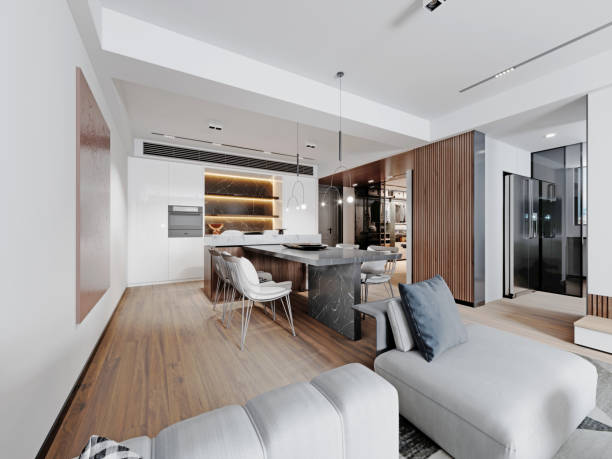
The Art of Material Selection: Showcasing Aesthetic Sense Through Furniture Quality
The choice of furniture materials is a fundamental aspect of interior design, directly influencing the aesthetic appeal, perceived quality, and longevity of a piece. High-quality materials not only contribute to a luxurious and sophisticated look but also speak volumes about the owner’s discerning taste and appreciation for craftsmanship. In showcasing one’s aesthetic sense, the intrinsic properties of materials—their texture, sheen, weight, and how they age—play a critical role in defining the character and mood of a space.
When selecting furniture, understanding the characteristics of various materials is key. This knowledge allows for informed decisions that align with the desired style, from minimalist and modern to rustic or classic. The goal is to choose materials that not only look good but also feel good and stand the test of time, becoming cherished elements of the home rather than disposable items. The tactile and visual experience of high-quality materials can elevate a room from ordinary to extraordinary, creating an environment that is both beautiful and inviting.
Natural Woods: Timeless Elegance and Versatility
Wood remains a perennial favorite in furniture design due to its inherent warmth, natural beauty, and incredible versatility. From rich, dark hardwoods like walnut and mahogany to lighter, more contemporary options such as oak and maple, each wood species offers a unique grain pattern and color profile. The way wood is finished—whether polished to a high gloss, left with a natural matte texture, or treated with a distressed effect—can dramatically alter its aesthetic impact.
For a sophisticated and timeless look, solid hardwoods are often preferred. They offer superior durability and can be refinished multiple times, ensuring the furniture remains a long-term investment. Veneers, when applied to high-quality substrates, can also offer a cost-effective way to achieve the look of expensive woods, often with greater stability. The natural variations in wood grain mean that each piece is unique, adding to its inherent charm and character.
Metals: Modernity, Strength, and Industrial Chic
Metals, such as stainless steel, brushed nickel, brass, and wrought iron, bring a sense of modernity, strength, and often an industrial or art deco flair to furniture. Stainless steel and brushed nickel offer a clean, sleek, and contemporary feel, ideal for minimalist or modern interiors. Brass, with its warm, lustrous sheen, can add a touch of vintage glamour or art deco sophistication, pairing beautifully with darker woods and rich fabrics.
Wrought iron, on the other hand, evokes a sense of timelessness and can be crafted into intricate, sculptural forms, lending itself well to both traditional and more eclectic designs. The durability of metal furniture makes it suitable for high-traffic areas and outdoor spaces. Furthermore, the combination of metal with other materials, like glass or wood, can create striking contrasts and add visual interest to a piece.
Upholstery: Texture, Comfort, and Color Palette
The choice of upholstery fabric is crucial for both comfort and aesthetic impact. Natural fibers like cotton, linen, and wool offer breathability, comfort, and a classic appeal. Cotton is soft and durable, linen provides a crisp, natural texture, and wool is known for its warmth, resilience, and luxurious feel. Performance fabrics, designed to resist stains and wear, are excellent choices for high-use areas, offering practicality without compromising on style.
Synthetic materials like polyester, microfiber, and acrylic can mimic the look and feel of natural fibers while offering enhanced durability and ease of care. Velvet, with its plush texture and rich sheen, can add a touch of opulence and depth to a room, while leather offers a sophisticated, durable, and easily maintained option that develops a beautiful patina over time. The color and pattern of the upholstery are powerful tools for expressing aesthetic sense, capable of setting the mood for the entire room.
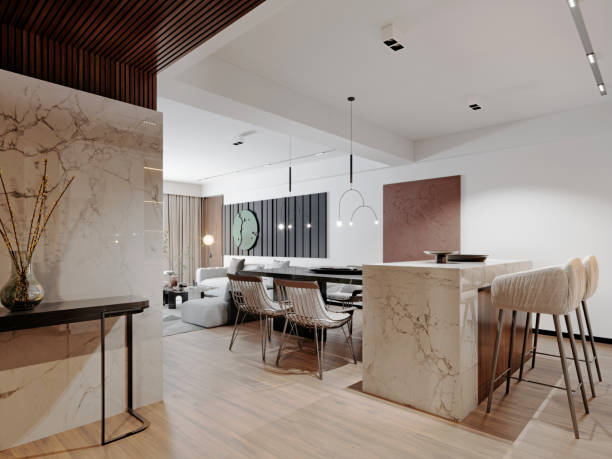
The Nuances of Light and Shadow: Sculpting Space and Mood
While color often takes center stage in interior design, the interplay of light and shadow is an equally powerful, albeit more subtle, force in shaping the aesthetic and emotional experience of a space. Light, whether natural or artificial, has the remarkable ability to transform the perception of form, texture, and volume. Shadows, its indispensable counterpart, define edges, create depth, and can evoke a sense of drama, intimacy, or mystery. Understanding and strategically manipulating light and shadow is key to unlocking the full potential of furniture and architectural elements.
The way light falls on furniture and surfaces can highlight its textures, reveal its contours, and emphasize its material qualities. Conversely, shadows can obscure details, create visual planes, and add a sense of dimension. This dynamic relationship is not static; it evolves throughout the day with natural light and can be orchestrated with artificial lighting to suit different moods and activities. The goal is to use light and shadow not merely for illumination, but as design tools to sculpt the environment.
Natural Light: The Ever-Changing Canvas
Natural light is the most dynamic and often the most beautiful source of illumination. Its quality, intensity, and direction change constantly, offering a unique visual experience at different times of day and year. Large windows, skylights, and strategically placed mirrors can maximize the entry of natural light, making spaces feel more expansive and vibrant. The way sunlight streams into a room can highlight the texture of a wooden table, the sheen of a metallic lamp, or the weave of a fabric sofa.
However, direct sunlight can also cause glare and fade sensitive materials. Designers often employ window treatments such as sheer curtains, blinds, or shutters to diffuse harsh light, creating a softer, more ambient glow. The play of light and shadow created by architectural features like eaves, pergolas, or even the arrangement of furniture itself can add visual interest and depth to a room, turning ordinary surfaces into an ever-changing work of art.
Artificial Lighting: Orchestrating Mood and Function
Artificial lighting provides the control necessary to complement natural light and to create specific atmospheres. A well-designed lighting scheme typically incorporates multiple layers of light: ambient, task, and accent lighting. Ambient lighting provides overall illumination, task lighting is focused on specific activities like reading or cooking, and accent lighting highlights architectural features or decorative objects.
The choice of light fixtures—chandeliers, pendant lights, floor lamps, table lamps, and recessed lighting—and the type of bulbs used (warm white, cool white, dimmable) significantly impact the mood and functionality of a space. For instance, warm, dimmable lighting can create a cozy and intimate atmosphere in a living room or bedroom, while brighter, cooler light might be preferred for a home office or kitchen. The shadows cast by carefully positioned lamps can accentuate the sculptural qualities of furniture or create dramatic focal points.
Shadow Play: Enhancing Form and Depth
Shadows are not merely the absence of light; they are active participants in the design process. They can define the edges of furniture, create a sense of three-dimensionality, and add a layer of visual intrigue. For example, a well-lit piece of furniture might appear flat, but when a strategically placed light source casts shadows around its base or along its curves, its form becomes more pronounced and dynamic. This is particularly effective with furniture that has interesting architectural details or sculptural elements.
The contrast between light and shadow can also be used to guide the eye and define different zones within a larger space. In open-plan living areas, subtle shifts in lighting can delineate the living room from the dining area without the need for physical barriers. This controlled use of shadow play can add sophistication and a sense of depth, transforming a simple room into a more engaging and layered environment.
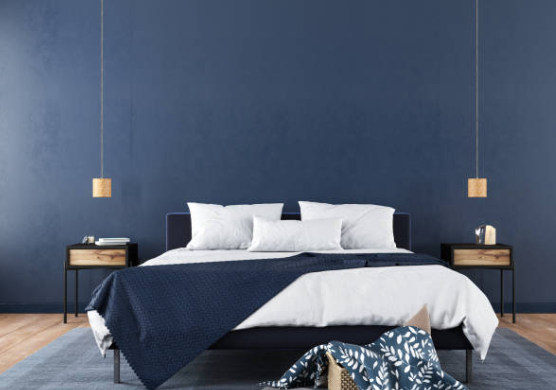
The Profound Impact of Color on Sleep and Well-being
Color is a fundamental element of interior design, possessing a profound psychological and physiological impact on human mood, behavior, and well-being. Nowhere is this impact more critical than in the bedroom, a sanctuary dedicated to rest, rejuvenation, and peace. Design experts and sleep specialists alike emphasize that the color palette chosen for this intimate space can significantly influence the quality of sleep and the overall sense of tranquility experienced within it. Understanding the science behind color psychology is essential for creating a bedroom environment that actively promotes restful sleep.
The selection of bedroom colors is not merely an aesthetic choice; it is a strategic decision that can either support or undermine the primary function of the room: to provide a conducive environment for deep, restorative sleep. Different colors evoke distinct emotional and physiological responses, ranging from calming and relaxing to stimulating and energizing. Therefore, careful consideration must be given to how these responses might affect an individual’s ability to fall asleep, stay asleep, and wake up feeling refreshed.
Calming Hues: The Foundation for Restful Sleep
Experts consistently recommend a palette of calming and serene colors for the bedroom. These hues are known to lower heart rate, blood pressure, and promote a sense of peace. Soft blues, gentle greens, and muted lavenders are frequently cited as ideal choices. These colors are often associated with nature—the sky, the sea, lush foliage—which has a naturally soothing effect on the human psyche.
Blue: Often considered the most beneficial color for sleep, blue is believed to lower blood pressure and slow heart rate and respiration. Shades like sky blue, powder blue, or a soft, muted teal can create an atmosphere of serenity and calm.
Green: Evoking feelings of nature, balance, and tranquility, green can be incredibly relaxing. Pastel greens, sage, or mint tones are excellent choices that promote a sense of harmony and peace, making it easier to unwind.
Lavender/Purple: Lighter shades of purple, particularly lavender, are associated with relaxation and can even inspire creativity. They offer a touch of elegance while maintaining a soothing ambiance.
Neutral Tones: Versatility and Serene Simplicity
Beyond the cool spectrum, neutral colors also play a significant role in creating a serene bedroom environment. Soft grays, warm beiges, and creamy whites offer a sense of understated elegance and can serve as a versatile backdrop for other design elements. These colors provide a sense of calm and order, preventing overstimulation and allowing the mind to settle.
Gray: A sophisticated and calming neutral, gray can range from light, airy tones to deeper, more grounding shades. When used in softer variations, it creates a tranquil and balanced atmosphere.
Beige and Cream: These warm neutrals offer a cozy and inviting feel, promoting a sense of comfort and security. They are excellent choices for creating a soft, enveloping environment perfect for relaxation.
Off-Whites: Unlike stark white, off-white shades like ivory or eggshell provide a softer, more muted backdrop that is less visually jarring, contributing to a peaceful sleep environment.
Colors to Approach with Caution
Conversely, certain colors are known to be stimulating and can interfere with sleep if used excessively in the bedroom. Bright reds, vibrant oranges, and intense yellows are often associated with energy, excitement, and even anger, which can lead to increased alertness and difficulty in relaxing. While these colors might be used sparingly as accents, they are generally not recommended as the primary palette for a sleep-focused bedroom.
Red: Associated with passion, energy, and sometimes aggression, red can elevate heart rate and increase alertness.
Orange: A highly energetic color, orange can be stimulating and may make it difficult to wind down.
Yellow: While bright yellow can be cheerful, in the bedroom, it can be overly stimulating and lead to restlessness.
Ultimately, the best bedroom color is one that promotes a sense of personal peace and relaxation. While expert recommendations provide a strong foundation, individual preferences and sensitivities to color should also be considered to create a truly personalized sanctuary for sleep.
Frequently Asked Questions (FAQ)
- What is the most important factor when choosing furniture for a small space?
- The most important factor is functionality, specifically the ability of furniture to serve multiple purposes. Multi-functional furniture, such as sofa beds, lift-top coffee tables, and storage ottomans, is crucial for maximizing utility and minimizing clutter in small living areas, allowing for a more open and adaptable space.
- How do high-quality furniture materials contribute to interior design?
- High-quality materials like solid hardwoods, fine metals, and premium upholstery fabrics not only enhance the aesthetic appeal and perceived value of furniture but also contribute to its durability and longevity. They showcase craftsmanship and a discerning taste, adding a layer of sophistication and character to a room that disposable items cannot achieve.
- Can light and shadow truly impact the feel of a room?
- Absolutely. Light and shadow are powerful design tools that can dramatically alter the perception of space, form, and mood. Strategic use of natural and artificial light can highlight textures, create depth, define zones, and evoke specific emotions, transforming a room from static to dynamic and visually engaging.
- Which colors are scientifically proven to promote better sleep in bedrooms?
- Experts and sleep specialists consistently recommend calming hues such as soft blues, gentle greens, and muted lavenders for bedrooms. These colors are known to lower heart rate and blood pressure, fostering a sense of peace and relaxation conducive to deep, restorative sleep. Neutral tones like soft grays and warm beiges also contribute to a serene environment.
- Are there any specific furniture types that are best for small space living?
- Yes, furniture designed with transformability and integrated storage is ideal. This includes modular furniture that can be reconfigured, wall-mounted desks and shelves, convertible furniture like sofa beds and extendable dining tables, and pieces with hidden storage compartments such as ottomans and benches. The aim is to select items that are compact yet highly adaptable to various needs.
Similar Posts
The Ultimate Guide to Custom and Japanese Furniture Selection
A comprehensive analysis of bespoke furniture design versus the minimalist elegance of Japanese aesthetics. Learn how to navigate the complex decision-making process for your home interior, including material selection, spatial optimization, and long-term investment value.
The Ultimate Guide to Global Interior Design Styles
Discover the transformative power of diverse interior design aesthetics. This pillar page synthesizes the core principles of Bohemian, Country, Mediterranean, European, Industrial, and Classical styles to help you curate a cohesive, professional living space.
A Comprehensive Guide to Japanese Minimalist Aesthetics for Your Home
Discover the profound philosophies behind Japanese minimalist design, from the imperfect beauty of Wabi-Sabi to the transient grace of Mono no Aware. This comprehensive guide explores how to transform your living space into a serene and elegant sanctuary using the principles of subtractive aesthetics, natural materials, and healing furniture. Learn practical steps to declutter, select a peaceful color palette, and choose high-quality pieces that embody simplicity, function, and timeless beauty for a truly tranquil home environment.


